MAMOVA Macroalgae Molecular Variation
We are a research group within the Algal and Microbial Biotechnology Division, within the Faculty of Biosciences and Aquaculture at Nord University.
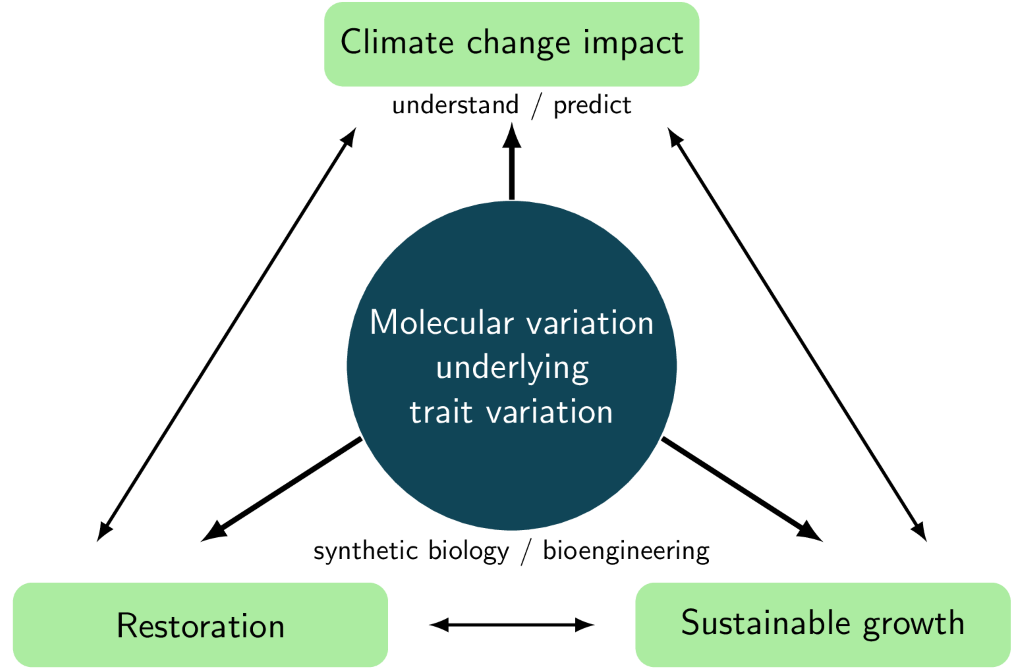
Our long-term research goal is to understand functional-trait variation at the molecular level and to apply this knowledge towards sustainable growth of economically important algae, and towards the management of kelp forests and seagrass meadows under the impact of climate change.
Research theme and relevance
Our research focuses on molecular variation in macroalgae and seagrass that hold ecological and economic importance. Kelp forests and macroalgal beds provide the foundation of the ecosystem and its many accompanying ecosystem services, including blue carbon sequestration, nutrient fixation, coastal erosion protection, and the support of shallow-water communities that are vital for various economically valuable marine species. Furthermore, macroalgae are a prime candidate for a sustainable blue bio-economy in both Europe and the Americas. Understanding the base of the foodweb and its adaptations is essential to optimize propagation of kelp for sustainable management, restoration, cultivation, and production.
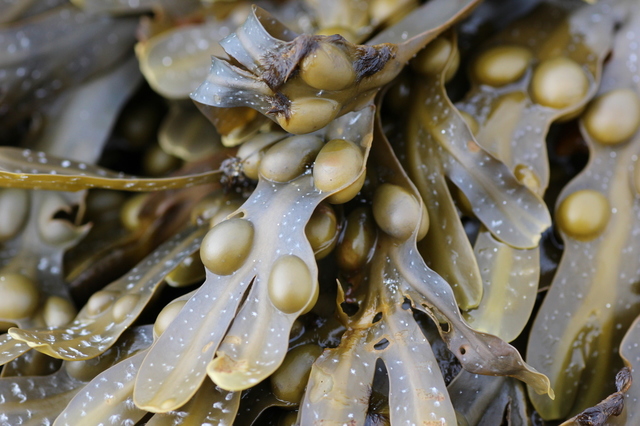 Fucus vesiculosus, Lofoten, Norway. Photo: Alexander Jueterbock
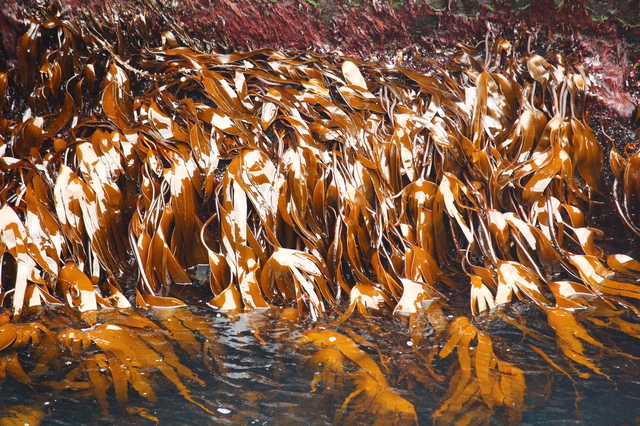 Laminaria digitata, Iceland. Photo: Alexander Jueterbock
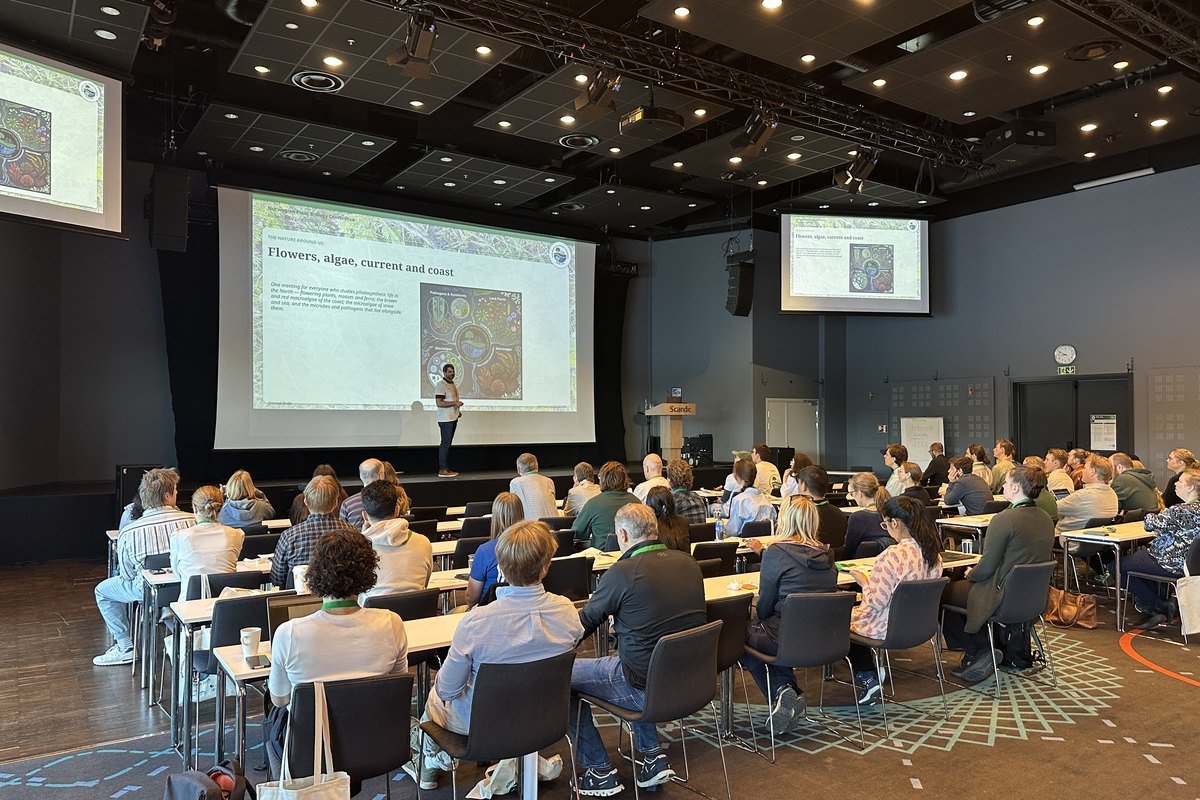 Norwegian Plant Biology Conference 2026, hosted in Bodø. Photo: Göran Thomann
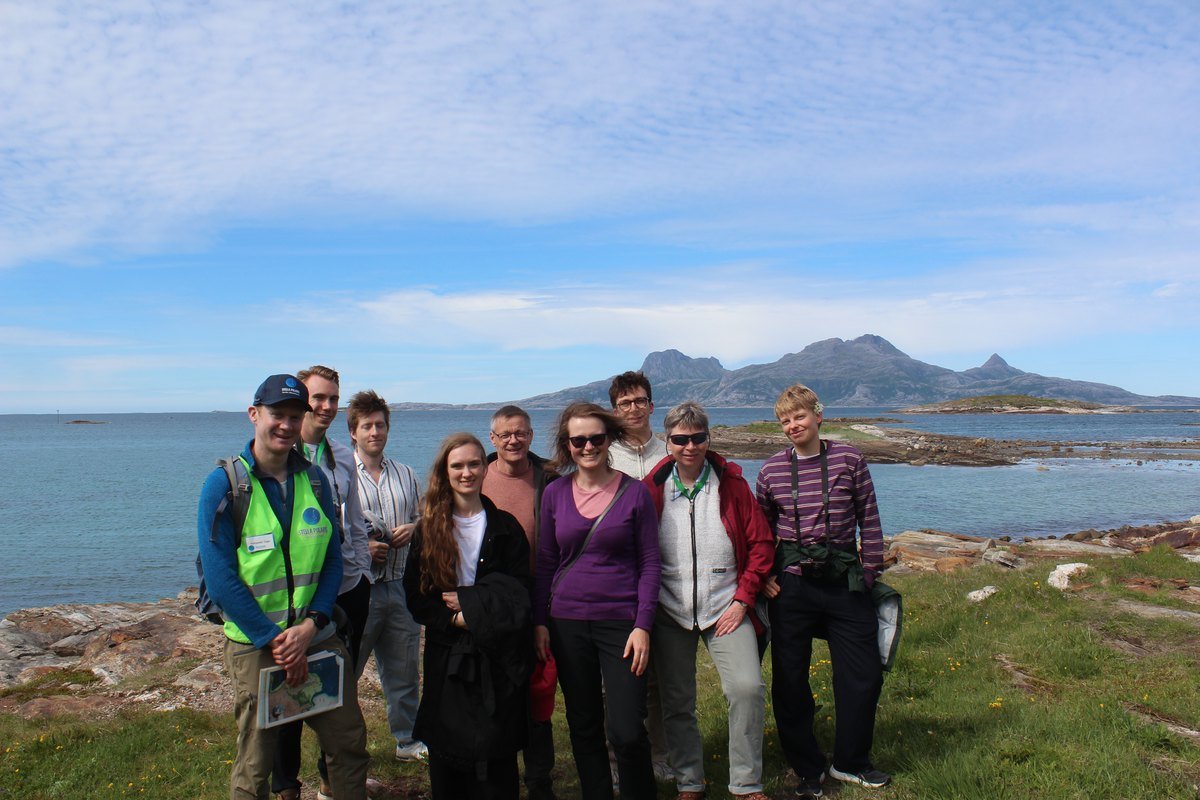 NPBC 2026 excursion along the Bodø coast. Photo: Göran Thomann
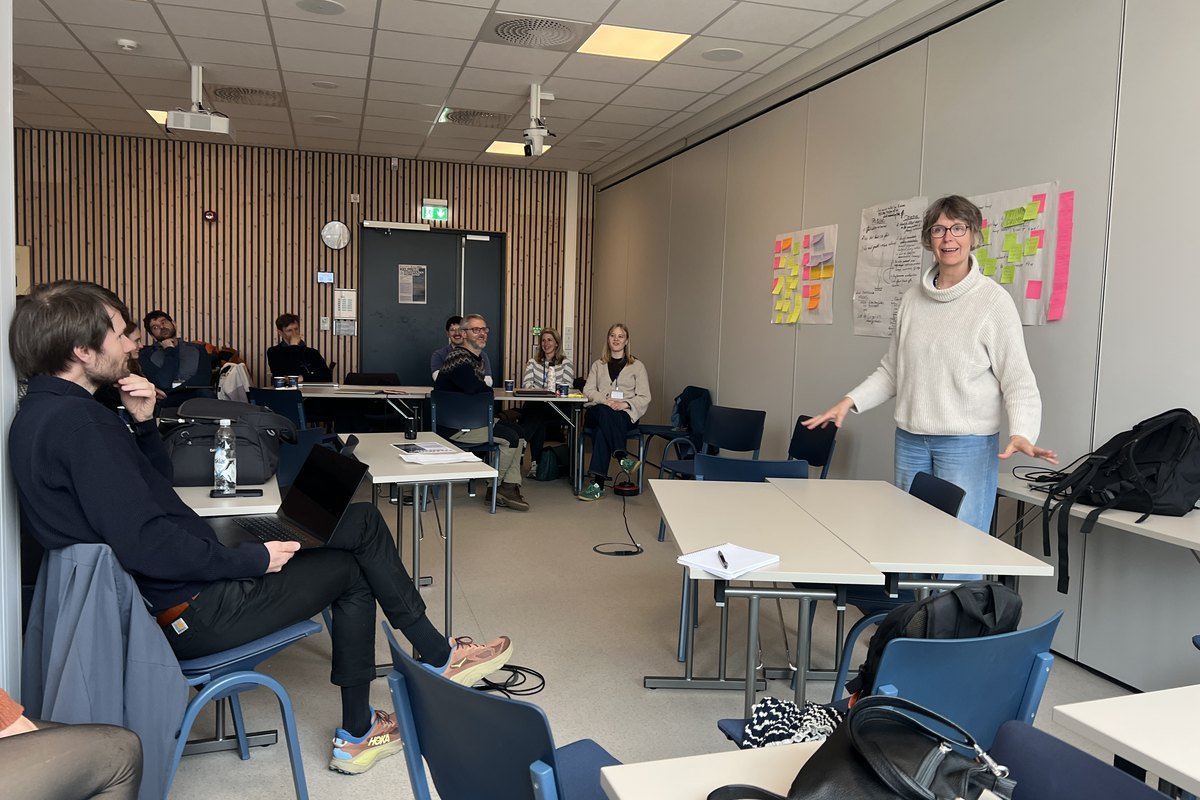 KELPRIME final stakeholder workshop, Bodø 2026.
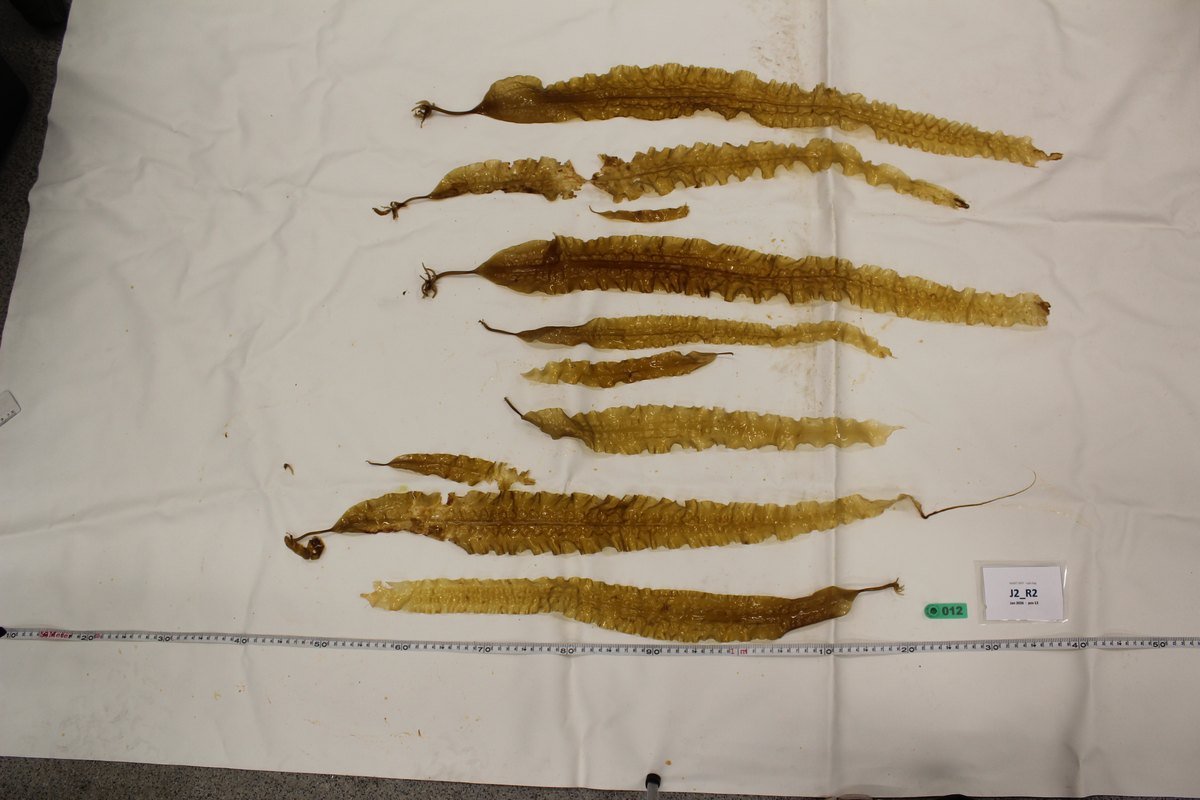 Harvesting cultivated Saccharina latissima from the MABIT DEFY priming trial, June 2026.
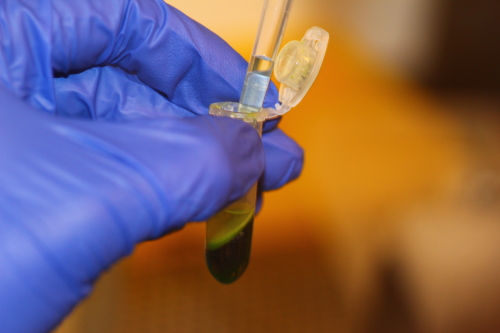 DNA extraction in the lab. Photo: Alexander Jueterbock
As temperatures climb, kelp growth is stunted, and the susceptibility to diseases increases, resulting in the decline of macroalgal forests worldwide. Over the past decade, we’ve witnessed shifts in distribution and the loss of macroalgal beds due to factors like warming trends, coastal development, invasive species, and agricultural runoff. The continued rise in temperatures threatens to wipe out kelp forests in regions where it becomes too warm, jeopardizing the security of the emerging blue bio-economy centered around kelp farming.
While research on the role of the epigenome in development and adaptation has made significant progress in terrestrial plants, the marine realm lags far behind. In our ongoing research we are bridging this gap by extending this field of study to marine macrophytes. This research not only holds the promise of advancing fundamental science but also addressing pressing societal concerns related to the management and protection of coastal ecosystems in light of increasing human impact. Additionally, it has profound implications for the future ecological state and economic value of Arctic shorelines. Our work is not confined to the European Union; it tackles global challenges and has the potential to inspire groundbreaking research, unlocking a deeper understanding of the intricate processes involved in a broader range of organisms.
Technologies and Methods
Our approaches range from the molecular level to ecosystem-wide scales. We utilize field studies and common-garden experiments, interviews for qualitative studies, incorporate models (e.g., niche modelling) to predict and project species distribtions. We further apply high throughput sequencing ’omics applications (e.g., transcriptomic responses to thermal stress, characterization of methylome variation), combined with bioinformatics/computational approaches to filter out important biological information from background noise in massive sequencing data sets.
We continuously strive to combine approaches from different fields in multidisciplinary ways.
Collaborators
We areI am integrated in a dynamic national and international research network, including collaborattion with the Algal Genetics Group (Mark Cock) at the Roscoff Research Station in France; the Functional Ecology roup (Inka Bartsch) at the Alfred Wegener Institue in Germany; the Coastal Systems and Ocean Group (Bernardo Duarte) at MARE, Portugal. We further collaborate with Chinese partners at the Institute of Oceanology, Chinese Academy of Sciences (DeLin Dua, Jie Zhang), and the [Yantai University] (Zi-Min Hu).
We strengthen the applied aspect of our work through collaboration with with the Algae Production Department of the Norwegian Institute of Bioeconomy Research (NIBIO), and various members of the Norwegian Seaweed Association
Funding
We are grateful for funding from the Norwegian Research Council, Nord University, MABIT, and an EEA and Norway initiative grant.
News
22–24 September 2026We joined the EuroMarine HARMONY workshop on seaweed microbiome research, Paris. Alexander and Leo Minini took part in HARMONY (Fundamentals and Frontiers in Seaweed Microbiome Research: Toward Harmonized and Synergistic Discovery), a EuroMarine foresight workshop convened by Luna van der Loos. The limit on the field is no longer sequencing but comparability: datasets are produced with different primers, trimming settings, storage buffers and plate layouts, so they are hard to combine across studies. One session asked whether seaweeds have a core microbiome and what it does, a second asked what has to be recorded about a sample before anyone else can reuse it. This is our problem too, in three of our running projects. In KELPRIME we ask whether priming changes the bacterial community a young sporophyte carries with it. In the MABIT-funded DEFY project we are sequencing cultivated and wild Saccharina latissima, including shotgun metagenomics, to see whether biofouling and microbiome differ between selected lines. And in Leo Minini's PhD on the oomycete pathogen Eurychasma in kelp, the microbiome is part of the disease question rather than a side observation: one result relayed in Paris was that the presence of an oomycete predicts the presence of a particular bacterium, and that running 18S and 16S in parallel would settle it. That is now on Leo's list. We are checking our own metadata against the standard drafted in Paris, and we expect to take part in the ring test being planned across laboratories, which turns hidden methodological variation into experimental design rather than noise. A session derived from the workshop is planned for the 9th European Phycological Congress in Kraków, 30 August to 3 September 2027. EuroMarine HARMONY »
19 September 2026Kelp science went to the beach: the Gull i munn read-aloud festival in Valnesfjord.
For Forskningsdagene our group joined the Gull i munn read-aloud festival.
Erica Restoften, who organises the festival, read the children's book
Noriko på eventyr i tangen by Marie Lenngren aloud, and we then took the
families down to the shore to find the book's seaweeds for real. Sara Roosvall (NIBIO)
ran a parallel workshop on paint made from seaweed and sea-urchin pigments.
Organised under the KELPRIME project.
Forskningsdagene »
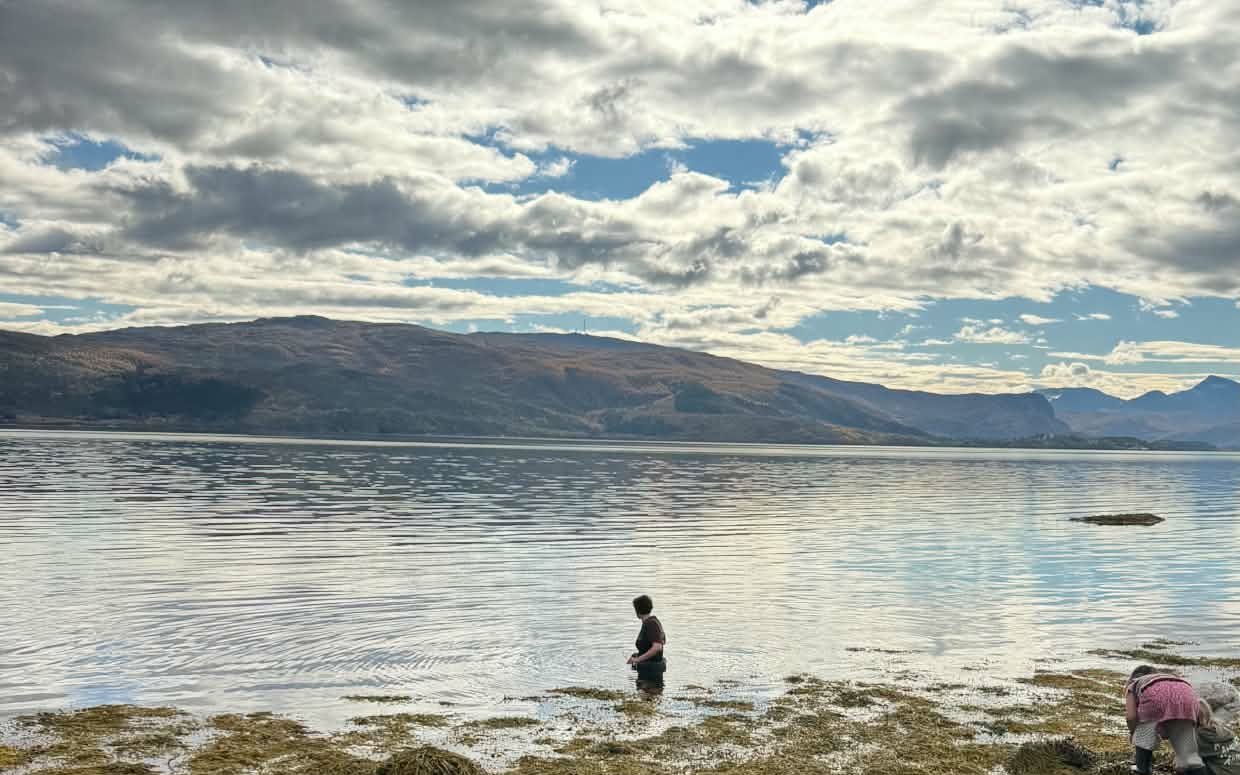
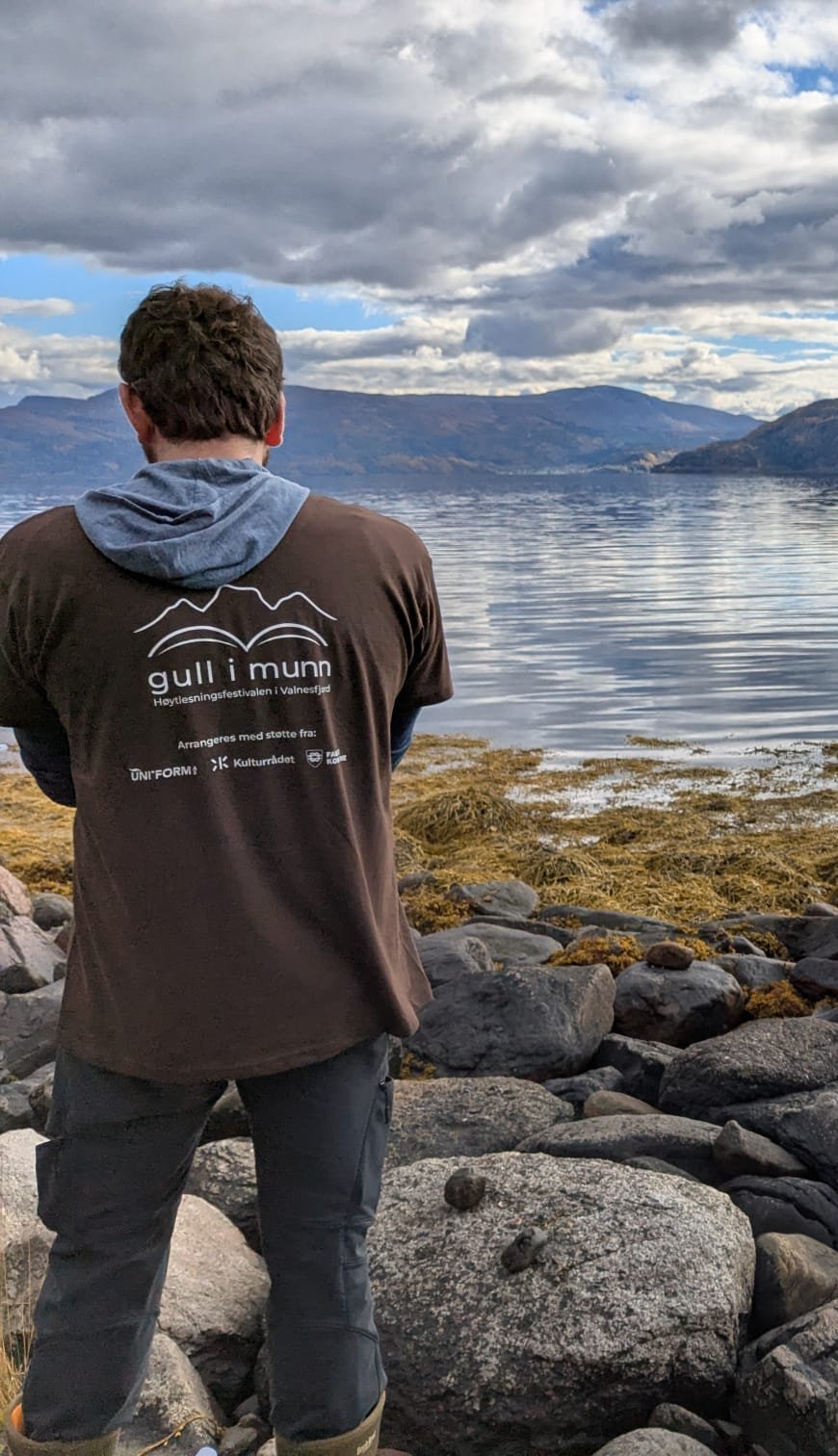
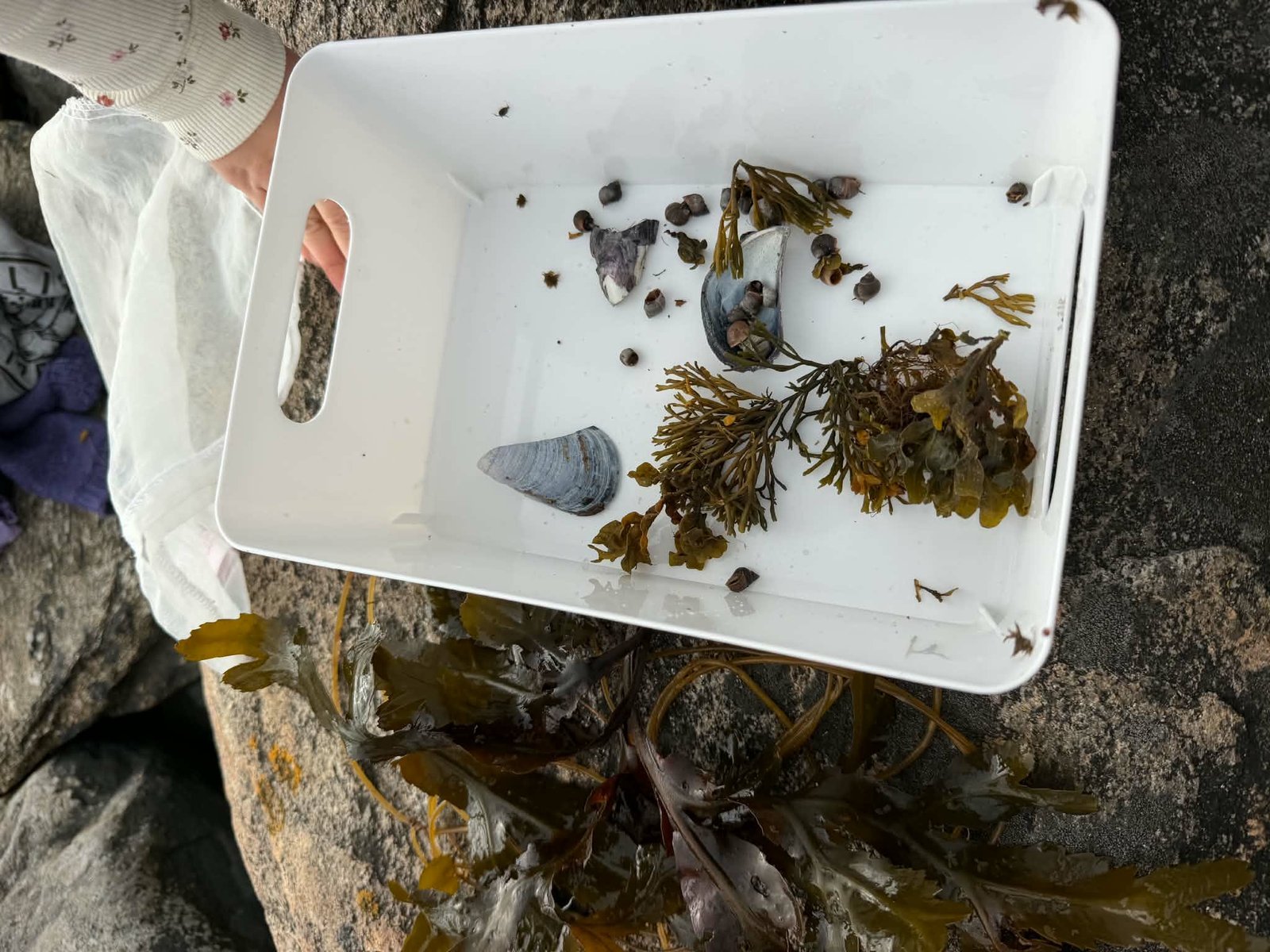
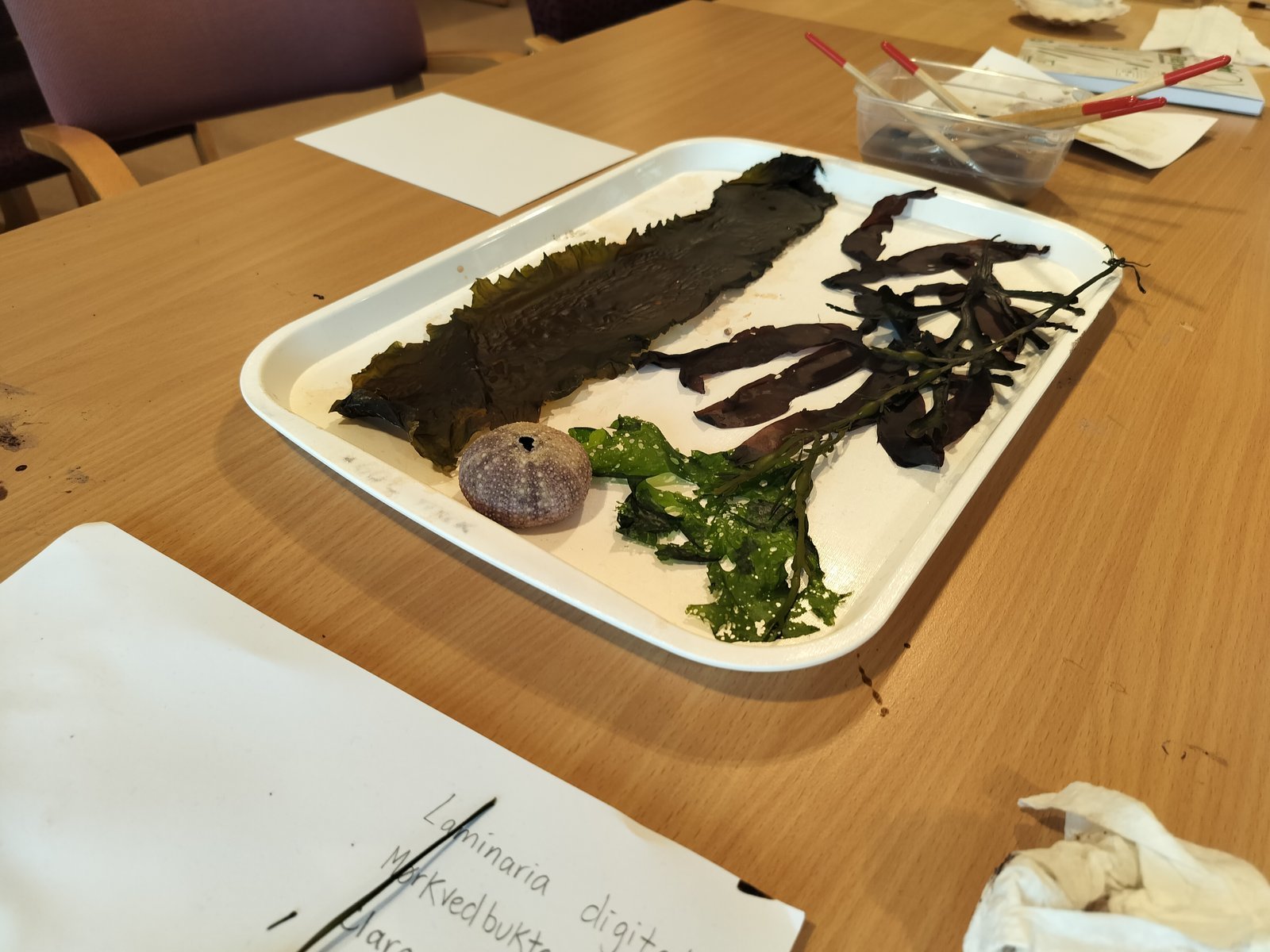
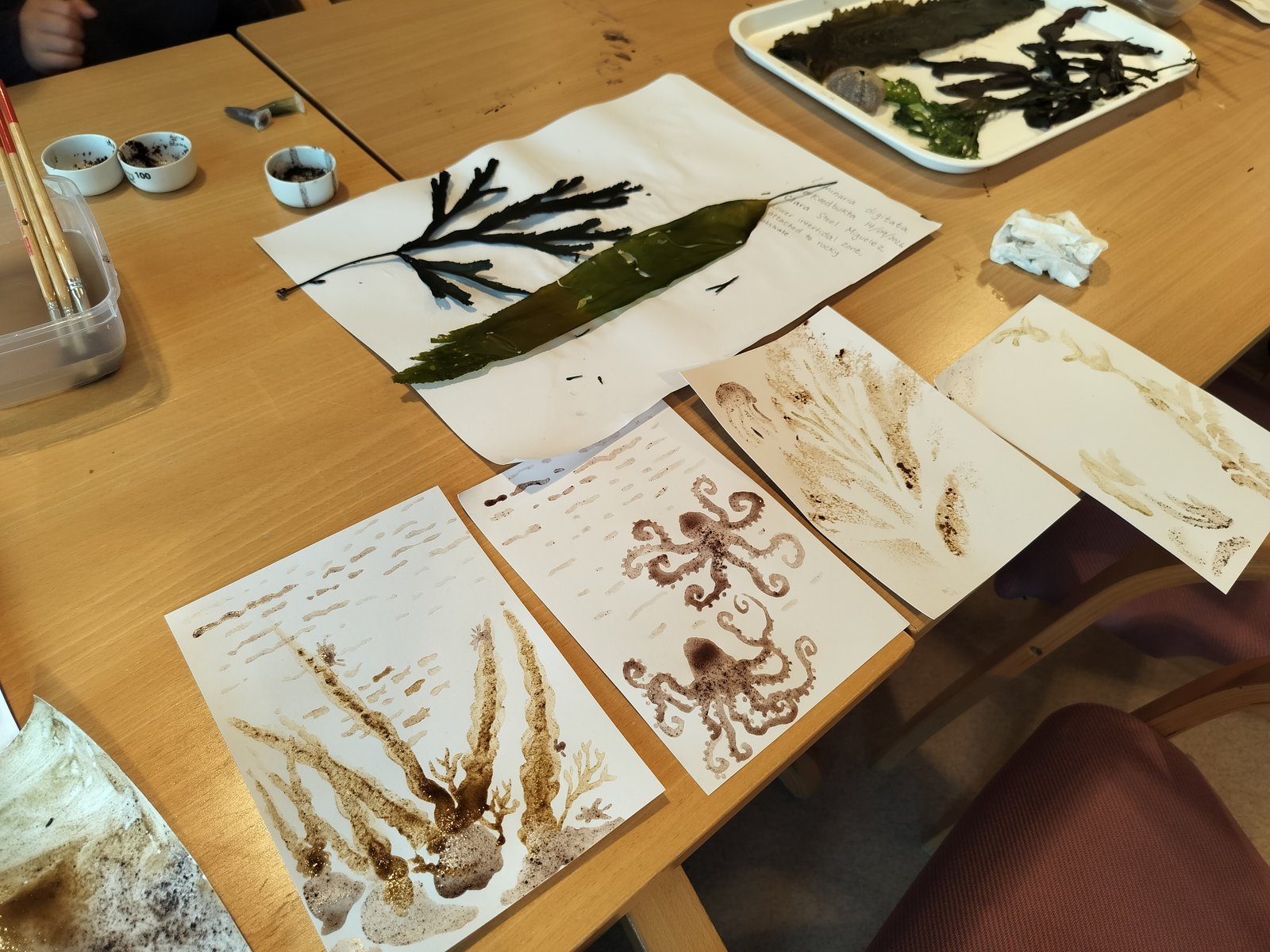
Valnesfjord, 19 September 2026. Book: Noriko på eventyr i tangen (Ting med Tang). Seaweed and urchin paints: Sara Roosvall, NIBIO. Photos: XX
We presented KELPRIME at the WWF Kelp Breeding Convening, Copenhagen. Researchers, farmers, regulators and NGOs from Asia, North America and Europe met at the Carlsberg Group Campus, hosted in the Traitomic facility and convened by WWF, to find common ground on kelp breeding for farming and restoration, on the role and ownership of germplasm collections, and on the research that would unblock native-strain development and its regulation. We spoke in the expert session on priming the hatchery as a fast, non-genetic complement to breeding: a few weeks of altered temperature at the gametophyte stage of Saccharina latissima, with no genome edit, no new equipment and no narrowing of the gene pool. That last point is why priming sits beside breeding rather than against it, and it matters here, because much of the meeting turned on how to keep cultivated and wild populations genetically separate. Two threads run straight into the rest of our work. Biofouling was raised as the limit on extending the growth season with heat-tolerant cultivars, which is the question our biofouling projects ask from the other side. And the point that restoration deliberately releases large numbers of selected individuals into the sea, more than farm escapes do, bears on how we read population structure in cultivated and wild kelp. We also learned that hatchery priming is now being tried independently in Japan, Korea and Norway, which is the clearest sign so far that the approach is being picked up. WWF on selective seaweed breeding »
July 2026Three new KELPRIME papers on kelp priming, from lab to farm.
All three ask whether priming young sugar kelp (Saccharina latissima) carries through to cultivation.
(1) A replicated mariculture setup that follows kelp from the gametophyte stage through the hatchery to the farm site, so the effect of pre-hatchery conditions can be tracked to adult sporophyte performance in the field
(Jueterbock et al., Aquaculture Reports, open access).
(2) Whether priming works better on gametophytes or on sporophytes, led by Niko Steiner and Inka Bartsch at the Alfred Wegener Institute
(Steiner et al., Marine Ecology Progress Series).
(3) What priming does at the gene level: gametophyte priming reshapes the heat-stress gene expression of the sporophyte offspring, pointing to a stress memory carried into the next generation
(Nilsen et al., Evolutionary Applications, open access).
NPBC 2026 featured by Nord University. Nord University published a write-up of the Norwegian Plant Biology Conference we hosted in Bodø — three days that gathered around 60 researchers for more than 20 talks, four international keynotes and a full poster session spanning plant, macroalgal and microalgal biology. Read on nord.no »
18–19 June 2026We organised and hosted the Norwegian Plant Biology Conference 2026 (NPBC 2026)
in Bodø — two days bringing together around 80 plant and algal scientists for talks, posters and
keynotes by Caroline Gutjahr, Cyril Zipfel, Gabriel Markov and Lenka Procházková, plus a
pre-conference workshop and a coastal-walk excursion.
Conference website »
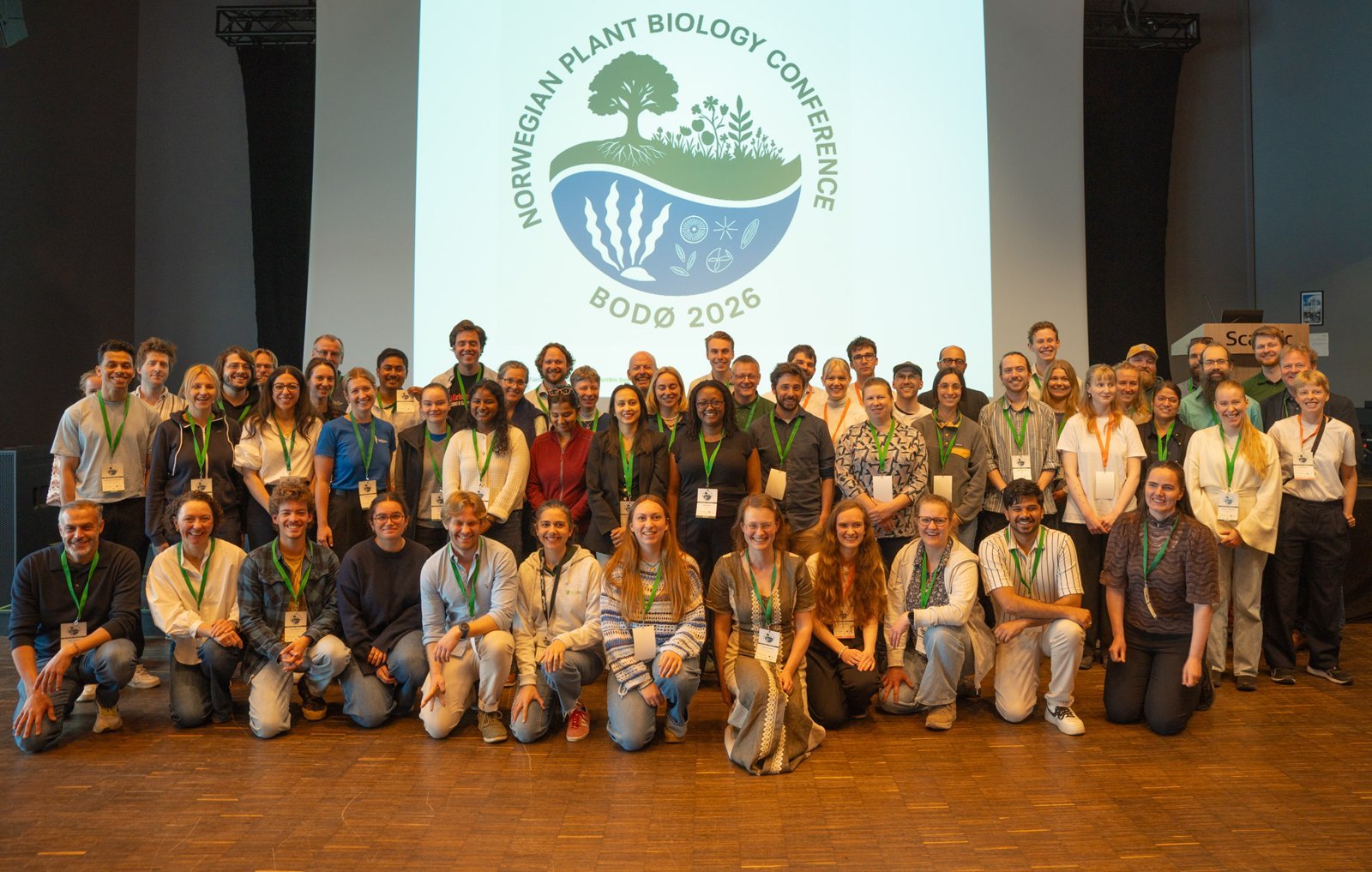
NPBC 2026 participants, Bodø. Photo: Lars Andreas Myrvoll
AI-assisted coding workshop at Nord. As a pre-conference workshop for NPBC 2026, Physalia Courses (Carlo Pecoraro, with Marco Chiarici) ran a full-day, hands-on workshop on AI-assisted coding for scientific research on our Bodø campus. Workshop details »
2 June 2026KELPRIME in the news: Slik blir taren mer hardfør – og lønnsom (“This is how kelp becomes hardier – and more profitable”). Lise Fagerbakk reports for Nord University on our finding that cold-primed kelp seedlings grow larger, stronger and more robust at sea — raising production and profitability without new infrastructure. Read on nord.no »
7 May 2026Popular science: Kan tare tilpasses til å takle hetebølger? (“Can kelp be trained to handle heatwaves?”) — marine biologist Pierrick Stévant writes for the Norwegian Seaweed Cluster about thermal “priming” of cultivated kelp from the KELPRIME project. Read on norseaweed.no »