Research highlights
Short, plain-language stories behind our recent papers, written for anyone curious about kelp, seagrass and the coast, not only for specialists. Each card links to the full article and to the group members who wrote it. For the complete, formal list, see our publication list.
Can we train kelp to handle warmer water?

Sugar kelp (Saccharina latissima) is the workhorse of European seaweed farming, but it struggles as the sea warms. We asked a simple question: if we give young kelp a short, mild taste of warmth early in life, do they cope better with heat later?
We raised kelp from the High Arctic and from temperate coasts and gave some of them a brief warm "priming" period. The primed kelp grew better and tolerated higher temperatures than their unprimed siblings, and the effect carried into the next life stage. The gain came without any change to the genes themselves, which points to a memory held by the cells rather than by new mutations.
Two degrees of extra heat tolerance could save half of our kelp
Kelp forests cannot pack up and move when their water gets too warm. We used species distribution models for four cold-adapted kelps to ask how much a small boost in heat tolerance would help.
Raising the temperature the kelp can tolerate by just 1 to 2°C recovered more than half of the habitat they are projected to lose under climate change. One species stayed in trouble under the highest-emission future, even with a large simulated boost. Neither lever works alone: we need deep cuts in greenhouse gas emissions and active help for kelp to tolerate warmth.
How a seagrass clone keeps track of age and body part
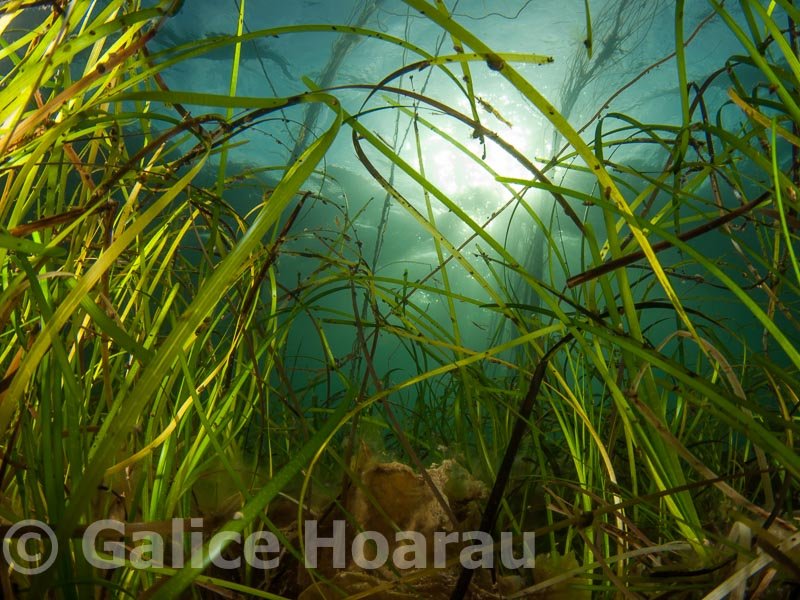
Eelgrass (Zostera marina) can grow as a single clone that spreads across a whole meadow, so every shoot carries the same genes. We looked instead at a chemical layer on top of the DNA, called methylation, which can switch genes on and off without changing the code.
Along one clone, older and younger parts carried different methylation patterns, and roots were clearly marked apart from leaves and rhizomes. These patterns line up with how the plant grows and with the different conditions each part meets, and they suggest the plant builds a kind of molecular memory as it ages.
Even the kelp's solar panels carry a mark of home
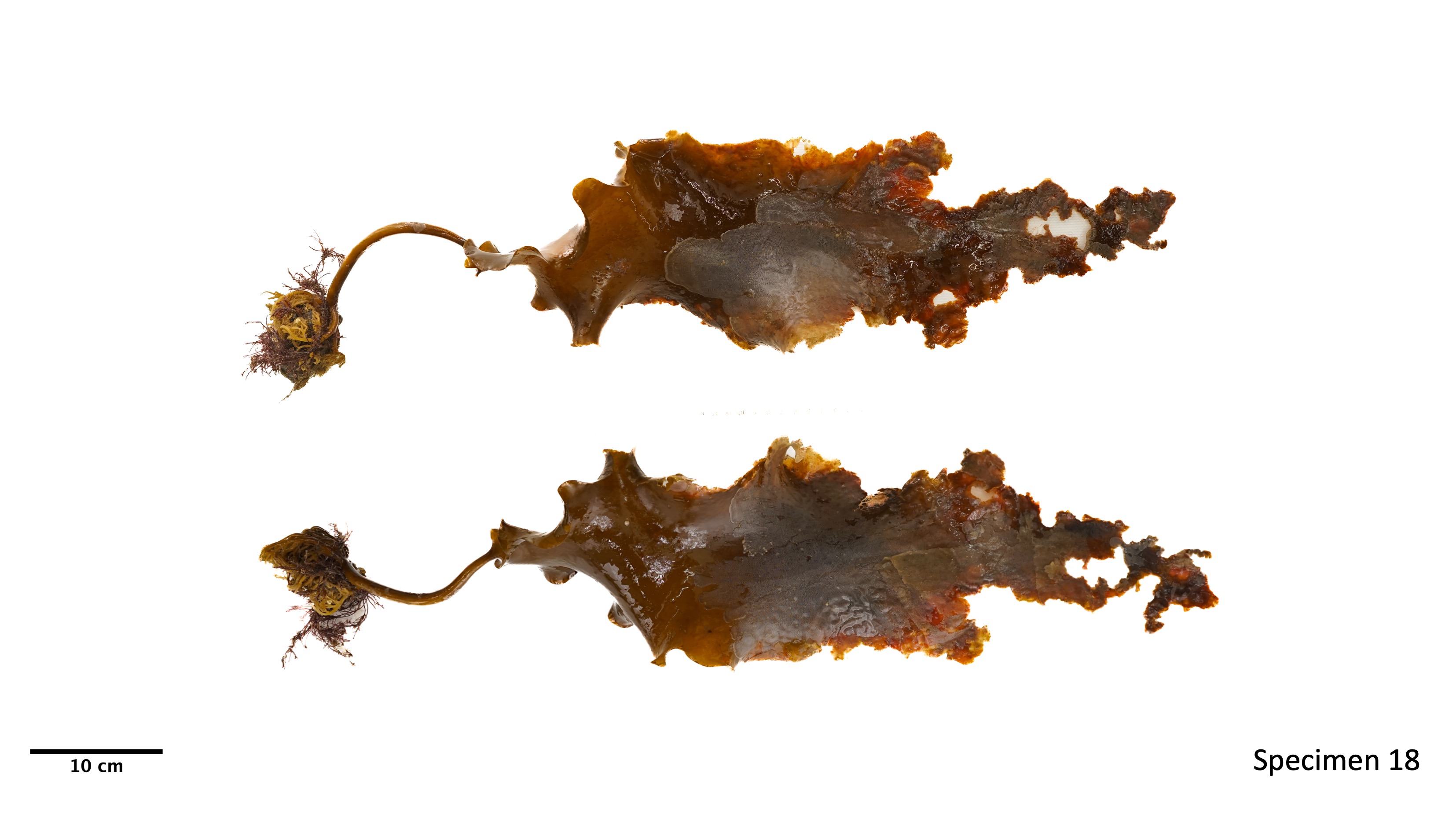
Chloroplasts are the tiny green factories where kelp turns sunlight into growth. In most land plants their DNA carries no methylation, so we were surprised to find it in the chloroplasts of sugar kelp (Saccharina latissima).
We compared kelp from the High Arctic (79°N) and from a temperate coast (54°N), grown both in the wild and in the laboratory. Where the kelp came from left a clear fingerprint on the chloroplast methylation, while the rearing temperature barely changed it.
What would it take for European seaweed farming to grow up?
Europe wants a seaweed industry that is both profitable and good for the coast, but the sector is still young. Together with partners across research and industry we set out a roadmap for getting there.
We lay out where the bottlenecks sit, from reliable seedstock and biosecurity to regulation, markets and social acceptance, and we point to the research and coordination each one needs. The through-line is that biology, business and coastal communities have to advance together, not one at a time.
The long story of how seaweeds built underwater forests
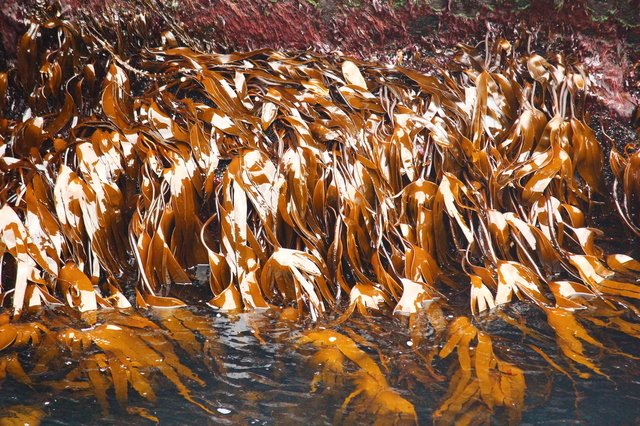
Brown seaweeds, the group that includes kelp, built the forests that shelter much of coastal life, yet we knew little about how they got there. As part of a large international team, we helped compare many brown algal genomes across their whole evolutionary history.
The origin of the group came with a burst of new gene families, borrowed genes and even genes picked up from viruses, together with the chemistry that lets seaweeds build their flexible, slippery tissue. These changes track closely with the shifts in shape and life cycle that made large seaweeds possible.
Can a chemical layer on DNA speed up adaptation to climate change?
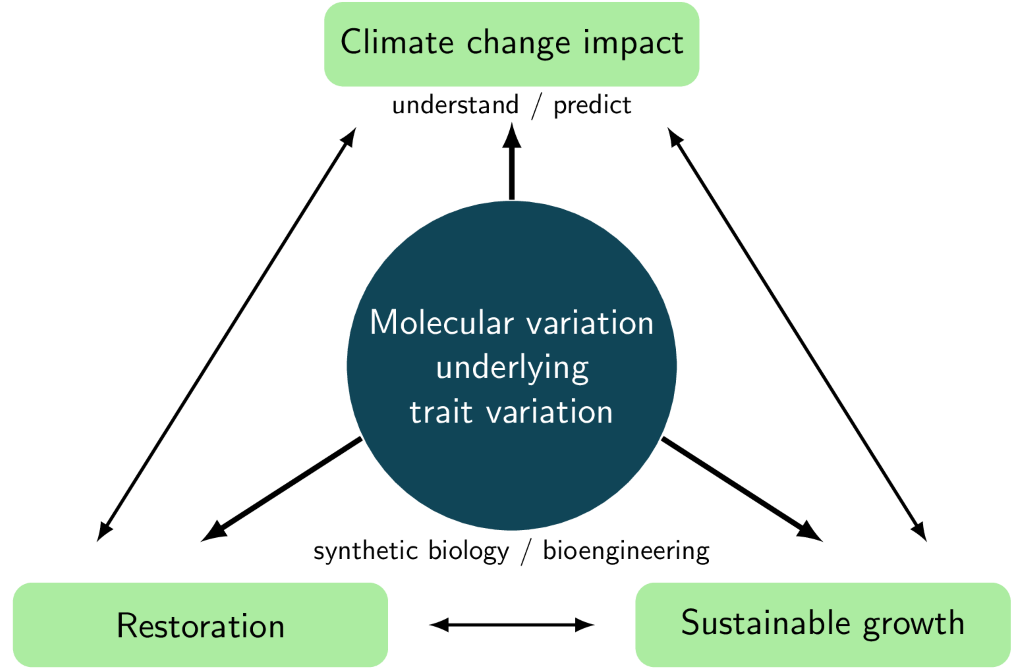
When conditions change fast, populations may not have time to adapt through classic genetic change. Epigenetic marks, chemical tags that adjust how genes are used, respond to the environment and can sometimes pass to offspring, which makes them an appealing shortcut.
In this review we pull together evidence from many plants and animals on how the epigenome, the genome and the environment pull on one another. Much epigenetic variation simply follows the genes, but a real fraction can be inherited on its own and could feed into evolution.
What makes farmed kelp split into distinct varieties?
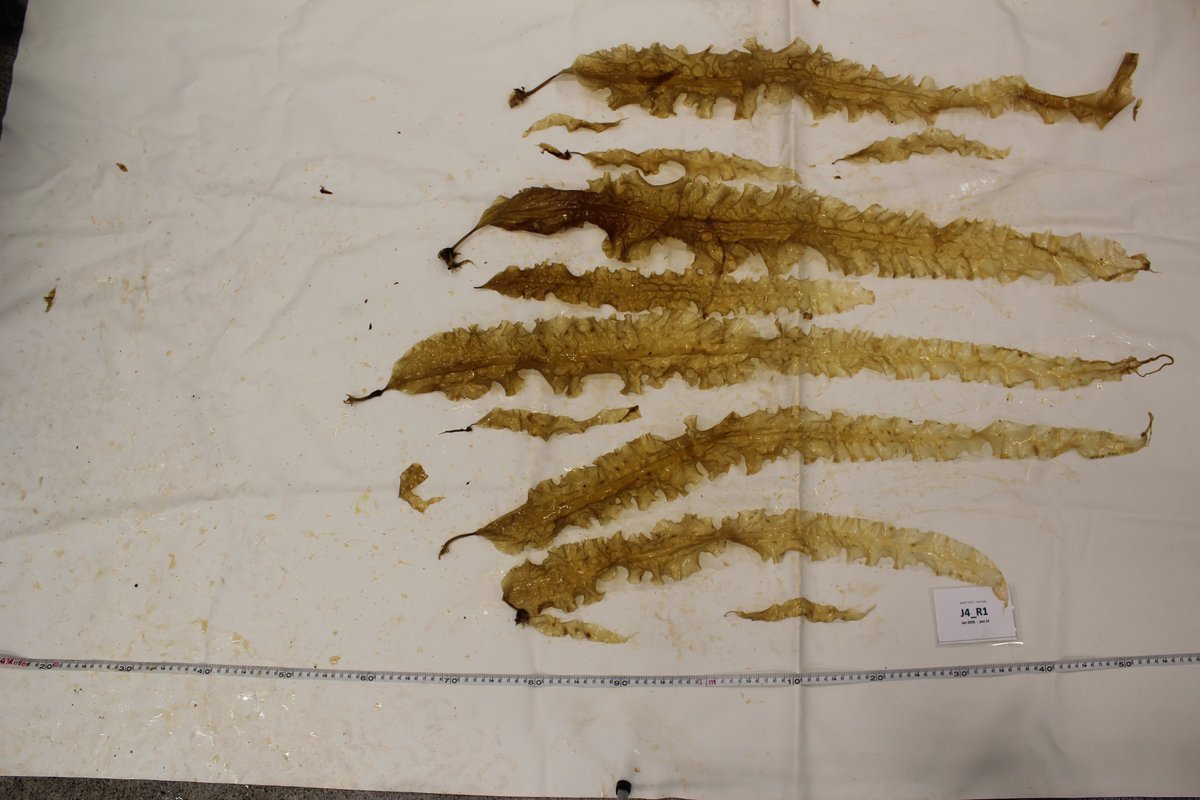
The kelp Saccharina japonica is one of the most farmed seaweeds on Earth, and it has quickly split into varieties with different traits. We resequenced the genomes of four varieties and two close relatives to ask whether that split is driven by cross-breeding or by adaptation.
Natural selection, not ongoing hybridization, turned out to be the main force, with clear signatures of selection on genes for heat resistance, stress response and growth. The varieties have diverged by adapting to their own conditions, even where they still exchange few genes.